

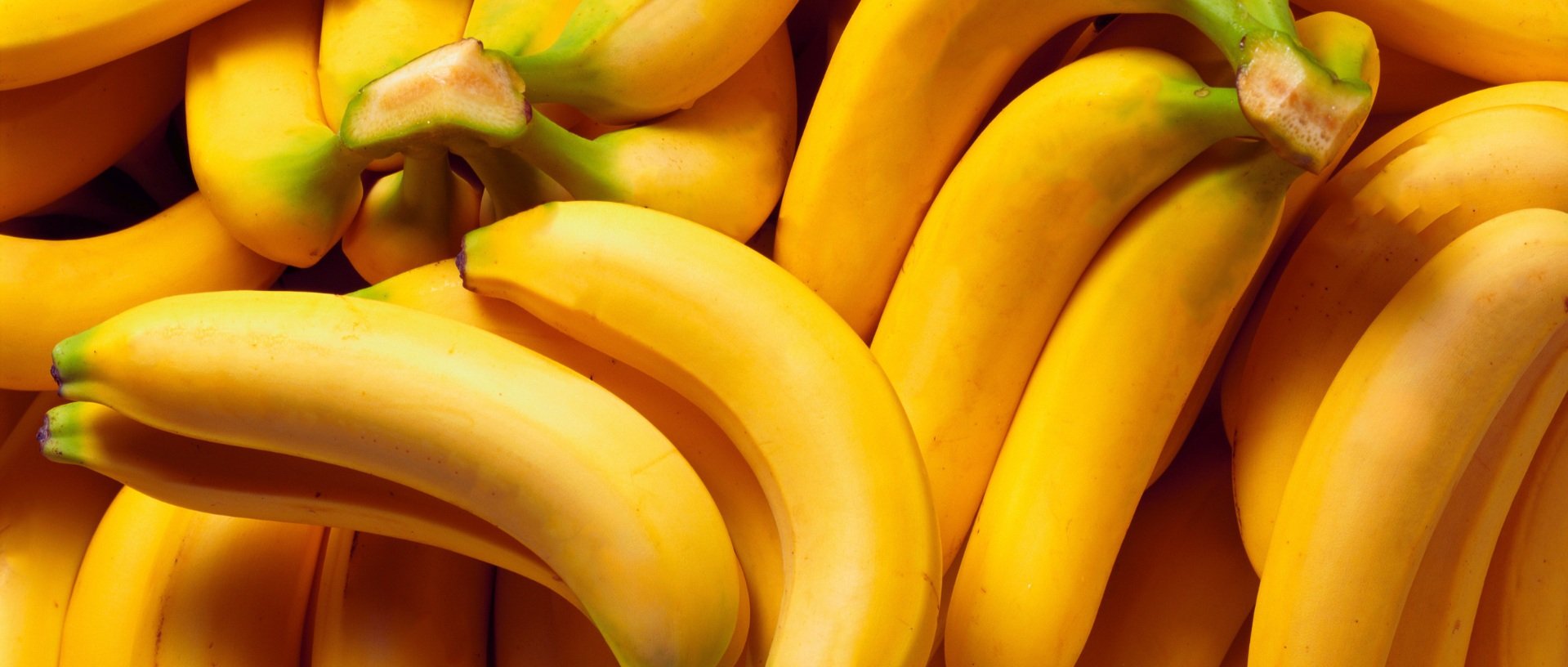
Bananas
More than 5 million are eaten EVERY DAY in Australia


Always Available
We are working with the most renowned Cavendish banana growers to deliver a consistent supply of Australia’s favourite fruit all year round with farms located in Far North Queensland.
Bananas are harvested 52 weeks of the year, with warm and humid weather being ideal growing conditions.
The busiest time for bananas is during the summer months, with production slowing mid-year as the weather cools

In the 1900s, Cavendish became one of the world’s most popular banana varieties and remains so today. The fruit is also very tasty and can be transported over long distances.
Humble Beginnings
The popular Cavendish variety was named after the Englishman William Spencer Cavendish.
The original Cavendish plants were brought to Mauritius from southern China in about 1826 before being taken to England where they were propagated by the Duke’s gardener. In the 1840s, plants were taken to Samoa, Tonga & Fiji and eventually, in the 1850s, down to Australia with the first banana plants arriving in Innisfail, Queensland in 1888.
Today in Australia, bananas are grown in both tropical and subtropical regions. This ensures the industry is diverse in the geographical location of its banana farms, farming practices, the size and type of farms that grow bananas, and their variety and flavour.
Learn more about Australia’s Banana history by visiting Australian Banana Growers


Growing Regions
The tropical banana growing regions of North Queensland, mainly around Tully, Innisfail, Atherton Tablelands & Lakeland Downs, produce more than 90% of Australia’s bananas.
The first banana plantations were started by the Chinese migrants working in the goldfields. In the Tully area, bananas were shipped to market via the Tully River.
The North Queensland banana trade ceased during World War I when restrictions were imposed on local shipping and crop disease outbreaks started to emerge.
The banana industry was re-established at the end of World War II in 1945. Bananas were cut and packed in 40kg wooden boxes and transported to market by rail until the 1960s when road transport was introduced. Today, bananas are packed in cardboard cartons and transported by road and rail in refrigerated containers.
The industry in Queensland has grown substantially since then and now accounts for 94% of Australian banana production.
Delicious and Nutritious
As well as being a popular fruit worldwide, bananas are also one of the most nutritious of all foods.
Bananas are a source of energy-producing carbohydrates, potassium, vitamin B6 and B group vitamins, vitamin C, dietary fibre, and antioxidants.
Bananas have no fat, cholesterol, or salt. Because they provide sustained energy, bananas are a favourite food for active children and adults, including athletes and sports players.

Our Banana Growers
-
Growing up in Murwillumbah, Kerry Alcock purchased his first three-acre banana farm from his grandfather when he was just 14 years old. Kerry went on to buy another three farms in Northern New South Wales and at one stage was one of the most significant Lady Finger banana growers in the country.
In 1979, Kerry along with his wife Margaret, and three young boys, made the decision to move to Far North Queensland. Initially struggling to find suitable land for banana farming, they eventually secured a leased block of land near Innisfail. Many years later, Kerry and Margaret, along with two of their four children, Danny and Tony, manage four banana farms around the Innisfail region.
-
The Abbott family has grown bananas in Far North Qld for over 30 years. Parents Rob and Jenny Abbott made the switch from conventional to Organic production 20 years ago.
Sons Matt and Ben, together with their wives Naomi and Katelyn, now operate the family business. The Abbotts pride themselves in providing high-quality and nutritious bananas and papaya, farmed with environmentally sustainable practices.
Their practices were recently recognised by winning the Queensland Farmers Federation 2022 Reef Champion Pesticide Stewardship Award.
-
Greg’s grandfather grew bananas near Tully as early as 1938. The passion for banana growing has been passed down through the generations, to Greg’s father, to Greg and now fourth generation Ryan. Greg started growing his first bananas at age 20 at Davidson Road near Tully before buying his father’s farm at Tea Plantation.
After Cyclone Yasi in 2011, Greg and Sandra took the brave step of leaving the district where they had raised their family and purchased a farm in Mareeba. With their youngest son, Ryan joining the business, the family has now consolidated its operations to Mareeba where they farm three farms.
-
In 1965 John Horsford started growing bananas on a small 6-acre block in beautiful Mena Creek Innisfail. John’s son Lance and grandsons Michael and Kris have continued the family passion of growing premium quality bananas on that same farm, but now also grow bananas on an additional two farms.
Their long-standing ambition is to create a high-quality, sustainable farming operation so that the next generation of Michael and Kris’ children can continue to have the same opportunities to enjoy that same farming lifestyle.
-
Howe Farming Group is a second-generation family-owned company. Tom and Yola Howe began growing tobacco and vegetables in the early 1950’s in Bilwon, located just outside of Mareeba, Queensland and the first bananas were planted in 1996.
Howe Farming Group own numerous farms strategically located across the Atherton Tablelands in North Queensland. The group employs over 450 staff including seasonal workers and has grown to become the largest private employer on the Tablelands. The business is owned by Dennis and his 3 sisters – Christine, Geraldine, and Bernadette, and maintains a corporate structure.
-
The Buchanan family started farming in the Palmerston Valley in the 1950s with 30 acres of Cavendish bananas. Today, 3 generations later, Craig Buchanan operates LMB Farming Pty Ltd with his business partners and has increased the growing area in the Innisfail region to 1400 acres.
With over 100 valued employees at the forefront of the operations, LMB Farming pride their success on their loyal staff, commitment to innovation and efficiency, as well as sustainable environmental practices.
-
Jade Buchanan & Luke Horsford are 3rd generation banana farmers with the next generation already involved with the daily operations. Nourish has 4 banana farms located around the Innisfail area.
Nourish Banana Co take great pride in being a leader in implementing environmental practices and following sustainable practices.